

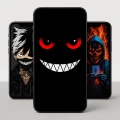
Wallpaper 4K HD – Wallcraft
Nebuchadnezzar DOO
I spent time with Wallpaper 4K HD – Wallcraft as a personalization app, using it less like a one-time wallpaper picker and more like a small routine for keeping my phone’s look fresh. That distinction matters. The app is free to start, has a huge visual catalog, and makes a strong first impression, but its real value depends on how carefully you choose images, previews, and the way you apply them. If you only want one quiet background and never change it, your phone’s built-in wallpaper tool may be enough. If you enjoy matching your screen to your mood, season, lock screen, or home-screen layout, this app gives you far more room to experiment.
The app comes from Nebuchadnezzar DOO and sits in the personalization category. It has reached over 100 million installs and holds a 4.6 average from around 1.2 million ratings, which tells me it is not a niche experiment. Still, popularity does not automatically make every image or feature useful for every phone. I found the best results came from treating the catalog as a source of choices rather than assuming the first attractive preview would be the best daily background.
My everyday workflow with Wallcraft
My usual starting point was simple: I opened the app with a specific purpose instead of scrolling without a plan. For example, I might want a dark image that leaves the center clear for icons, a colorful lock-screen design that works behind the clock, or a calm background that would not compete with reading. That small decision made browsing much less tiring. A wallpaper can look impressive in a full-screen preview and still be awkward once icons, widgets, and notification text cover it.
Related News

Wallcraft is particularly enjoyable when I use it for a short refresh rather than a complete redesign. I can browse until I find a visual direction, preview how it feels, and then decide whether it suits the phone I actually use. I recommend checking both the top and bottom of an image before applying it. A dramatic subject near the lower edge may disappear behind the dock, while a bright area near the upper edge can make the status icons harder to read.
For a realistic daily scenario, imagine changing your phone before a trip. I would choose a landscape or city image for the lock screen, then check whether the clock remains readable and whether the crop still shows the main subject. On the home screen, I would use a less busy image so app labels remain easy to scan. This two-wallpaper approach is more practical than forcing one spectacular picture to work in both places.
Latest News

Uber Eats Under Pressure: What Happens When Delivery Goes Wrong
How QR & Barcode Scanner Adapts to Android and iOS Innovations

Why Waze Navigation & Live Traffic Is Your Essential Travel Companion
CapCut Mastery: Unleash Hidden Features for Pro-Level Editing
How OS Updates Enhance Roblox Adventures

Teacher Simulator: Exam Time Turns Quick Classroom Judgments into a Repetitive Loop
The app’s free access makes that experimentation easy to begin. It is listed as free, although in-app purchases range from small optional items to considerably larger ones. I would not pay simply because an image looks impressive in a preview. I would first test whether it works with my icons, crop, and daily brightness. That habit prevents the common mistake of spending on decoration that becomes annoying after a few hours.
Choosing images that survive real phone layouts
My strongest advice is to judge composition, not just resolution. The promise of 4K HD imagery sounds appealing, but sharpness is only one part of a usable wallpaper. A detailed image with no visual breathing room can make a home screen feel cluttered. A simpler design often looks better because it gives widgets and icons somewhere to sit.
I also look for contrast in the right places. A mostly dark wallpaper can be comfortable at night, but if its brightest detail sits directly behind a row of white icons, readability may suffer. Conversely, a very bright background can make a phone feel energetic while making text and symbols less comfortable. I found that previewing an image with my normal home-screen arrangement was more informative than judging it in isolation.
Gallery
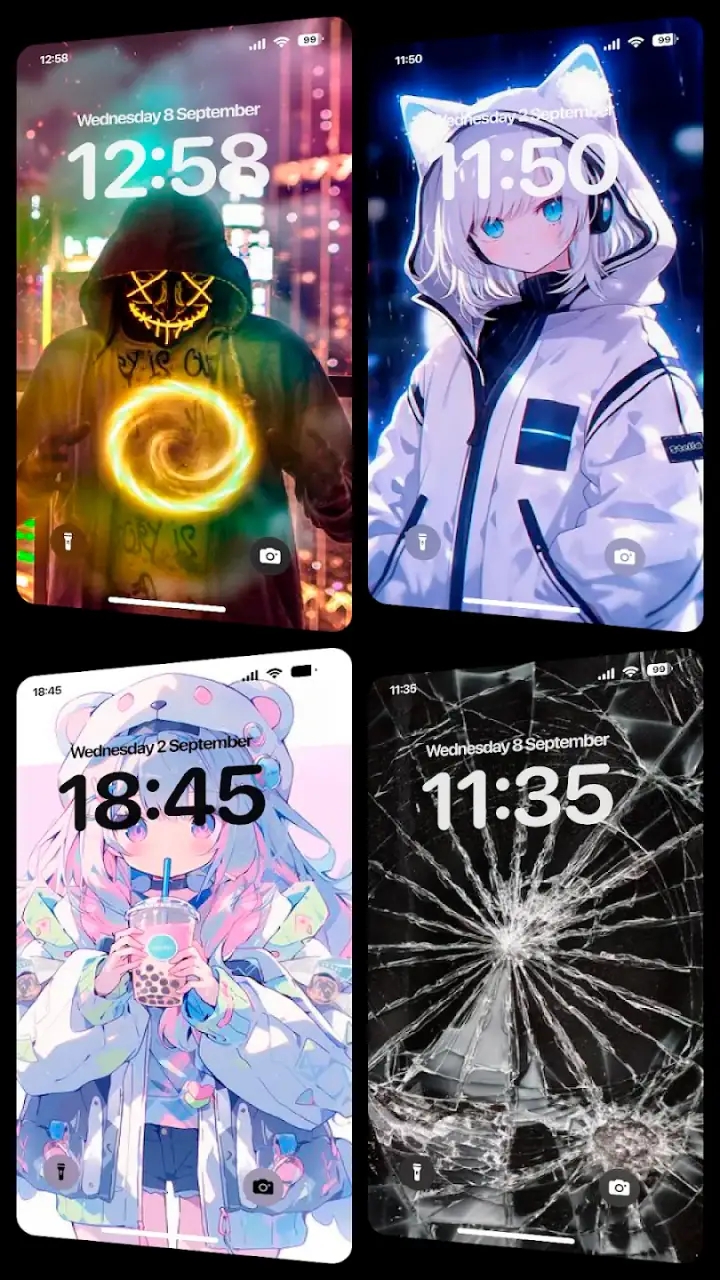
Live and 4D-style backgrounds are best treated as occasional choices rather than automatic upgrades. Motion can make the lock screen feel more personal, but it may also distract me when I am trying to check the time quickly. For a workday, I tend to prefer a still image or a restrained design. For a weekend or a secondary device, a more animated look makes sense. The important trade-off is not whether motion is attractive; it is whether the movement earns its place in a screen I check repeatedly.
Another useful habit is to save a small group of candidates before making a final choice, if the browsing experience allows me to keep track of them. I compare them against the actual phone layout rather than relying on memory. This avoids repeatedly applying and replacing wallpapers while trying to remember which version had the cleanest crop.
Settings and choices worth checking before applying
Before I settle on anything, I check whether the image is better suited to the lock screen, the home screen, or both. The lock screen can tolerate a stronger focal point because it usually has fewer elements. The home screen needs more empty space, especially if I use several widgets. This is one of the most important differences between a wallpaper that looks good in the catalog and one that remains comfortable throughout the day.
I also pay attention to how the phone handles cropping. Different devices and launchers can frame the same picture differently, so I never assume the preview tells the whole story. If the subject is close to an edge, I prefer an alternative with more surrounding space. That gives the phone more flexibility and reduces the chance that a face, building, or horizon will be cut off.
On a phone with a busy notification style, I favor wallpapers with quieter upper areas. On a minimalist setup, I can be more adventurous. This is a useful way to customize without changing every icon or widget: choose the wallpaper around the existing interface, not the other way around. Wallcraft works best when it supports the phone’s layout instead of fighting it.
Age guidance is another practical point. The app carries a Teen content rating, so I would still browse with awareness if a younger person is using the device. That label does not tell me that every image is unsuitable, but it is a reminder to treat the catalog as broad rather than assuming every result will fit every audience or setting.
I would also review any purchase prompt carefully before confirming. The app is free to install, but optional items can cost between forty-nine cents and sixty-four dollars and ninety-nine cents. That wide range is a reason to slow down, especially when browsing can encourage impulse decisions. I prefer to use the free portion long enough to understand whether the app genuinely improves my routine before considering anything paid.
Faster patterns for people who change wallpapers often
Experienced use is less about scrolling faster and more about reducing unnecessary decisions. I begin with a visual brief such as “dark and quiet,” “bright travel scene,” or “clear space for icons.” That makes the catalog easier to evaluate. Without a brief, I can spend too long comparing attractive images that all fail for the same practical reason.
I also separate discovery from installation. During discovery, I look for style and composition. During installation, I check crop, icon visibility, and whether the image belongs on the lock screen or home screen. Mixing those steps encourages rushed choices because the excitement of finding a striking image can hide layout problems.
A repeatable weekly or monthly refresh can work well, but I would not change the background every day unless I genuinely enjoy that process. Frequent changes can make the phone feel novel, yet they can also turn personalization into maintenance. My preferred pattern is to keep a dependable everyday wallpaper and switch only when I have a reason: a new season, a trip, a change in mood, or a redesigned home screen.
For people who use multiple devices, I would make a separate visual rule for each one. A wallpaper that works on a compact phone may feel too crowded on a larger display, while a tablet-style layout may need a different focal point. I would not assume that one favorite image should be applied everywhere. The more screens I use, the more valuable composition becomes compared with simple image quality.
One subtle advantage of this approach is that it makes the app easier to compare with ordinary alternatives. The standard phone wallpaper picker is usually quicker for applying a photo, a color, or a basic system background. Wallcraft is stronger when I want a broader visual search and more specialized decorative choices. A dedicated wallpaper app is not automatically better for speed; it is better when discovery and variety are the main task.
Where the experience becomes less convenient
The biggest limitation is choice overload. A large catalog can feel generous at first and exhausting later. If I open the app without knowing what I want, I may browse for a long time and still hesitate. That is not a flaw unique to this app, but Wallcraft’s visual abundance makes it especially noticeable. A personal shortlist and a clear purpose make the experience much more manageable.
Visual quality can also be uneven from a practical point of view. An image may be technically sharp yet poorly suited to icons, widgets, or the clock. I judge every candidate in context because the catalog preview is designed to attract attention, while my home screen needs to support quick reading. This is why I would not describe every impressive image as a good everyday image.
Motion is another trade-off. Live or 4D-style presentation can add personality, but I prefer still backgrounds when I want a calm interface or when the phone is used heavily for reading and work. I also avoid making animated visuals the default choice for someone who finds movement distracting. The app gives me creative options, but it does not remove the need to choose responsibly.
Purchases may create friction for users who expect every attractive result to be included at no cost. Since the app is free with optional in-app purchases, I would approach the catalog with a clear spending limit. The safest workflow is to enjoy the free choices first, decide whether the app has become part of my routine, and only then consider a paid item that I expect to keep using.
There is also a question of audience. Someone who wants a personal photo, a plain color, or a battery-conscious static background may be better served by the phone’s own settings. Likewise, a user who dislikes browsing visual catalogs may find a dedicated wallpaper app unnecessary. Wallcraft is aimed at people who want discovery and decorative variety, not at people who consider wallpaper a set-and-forget detail.
What I would recommend for different users
I would recommend it to anyone who enjoys making a phone feel more individual without rebuilding the entire interface. It is especially suitable for users who like themed lock screens, scenic backgrounds, high-resolution artwork, and occasional motion. The app is also useful for someone who has grown tired of the same default collection and wants a more focused place to browse.
I would be more cautious recommending it to a person who values absolute simplicity. If your ideal workflow is opening system settings, selecting one image, and leaving it alone for months, the extra catalog may add more temptation than value. The same applies to people who strongly prefer their own photographs and do not need a large source of decorative imagery.
For families, I would explain the Teen rating before handing over the phone and encourage an adult to review the browsing experience. For younger users, personalization can be fun, but a broad catalog deserves the same common-sense supervision as any other visual content service. That is a practical consideration, not a reason to dismiss the app outright.
For users who care about a clean work setup, I suggest choosing a restrained static image and keeping the lock screen more expressive if desired. This creates a useful division: the lock screen can show personality, while the home screen remains functional. It is a small adjustment, but it made the app feel more useful to me than simply applying the same dramatic image everywhere.
My verdict after using it as a regular personalization tool
Wallcraft is strongest when you use it deliberately rather than letting the catalog choose your phone’s personality for you. I like the combination of high-resolution imagery, live and 4D-style possibilities, and the freedom to refresh the look of a device without much technical effort. The free entry point makes it easy to test, while the large audience and 4.6 average suggest that many people find the concept worthwhile.
My honest reservation is that the app can turn a simple task into a long browsing session. The best images still need to pass practical tests: readable icons, sensible cropping, suitable motion, and a good match for the screen where they will appear. Optional purchases also mean I would browse with discipline instead of assuming every appealing item is included.
It has been available since April 1, 2017, and that established presence fits the mature feel of the concept. I would not install it merely because I need any wallpaper; I would install it because I want more choice than the built-in picker provides. That is the clearest dividing line between Wallcraft and the usual alternative.
After trying different habits, I would keep it on a phone where visual customization matters and use it in short, purposeful sessions. I would choose a calm home-screen design, reserve more expressive images for the lock screen, and revisit the catalog only when I have a reason to change. For me, that balance turns the app from a gallery of tempting previews into a genuinely useful personalization tool.
FAQs for Wallpaper 4K HD – Wallcraft
Is Wallpaper 4K HD – Wallcraft free to use?
Yes, Wallpaper 4K HD – Wallcraft offers a free version with a wide range of high-quality wallpapers. However, it also features a premium subscription that provides access to exclusive content, removes ads, and allows for higher resolution downloads. This subscription can be purchased monthly or annually.
Does Wallpaper 4K HD – Wallcraft require an internet connection?
While Wallpaper 4K HD – Wallcraft requires an internet connection to download new wallpapers and updates, you can access and set wallpapers that you've already saved to your device without being connected to the internet. This allows for offline access to your favorite wallpapers.
What types of wallpapers are available in Wallpaper 4K HD – Wallcraft?
Wallpaper 4K HD – Wallcraft offers a diverse collection of wallpapers, including categories such as nature, abstract, animals, minimalistic designs, and more. The app continuously updates its library, ensuring a fresh variety of high-resolution images for users to explore and download.
How does Wallpaper 4K HD – Wallcraft ensure high-quality images?
Wallpaper 4K HD – Wallcraft curates its collection by collaborating with talented photographers and artists globally. The app focuses on providing only high-resolution images suitable for all screen sizes, ensuring clarity and vibrancy, even on the latest devices with 4K displays.
Is Wallpaper 4K HD – Wallcraft compatible with all devices?
Wallpaper 4K HD – Wallcraft is designed to be compatible with a wide range of Android and iOS devices. It supports various screen resolutions and automatically adjusts the wallpapers to fit your specific device's display, ensuring an optimal viewing experience across all platforms.
Pros
- Stunning 4K resolution for vivid displays.
- Wide variety of categories to choose from.
- Regular updates with new wallpapers.
- User-friendly interface for easy navigation.
- Option to save favorites for quick access.
Cons
- Ads can disrupt browsing experience.
- Some features require premium subscription.
- Limited customization options available.
- Large file sizes may affect storage space.
- Occasional crashes on older devices.


